

 0
0
 0
0
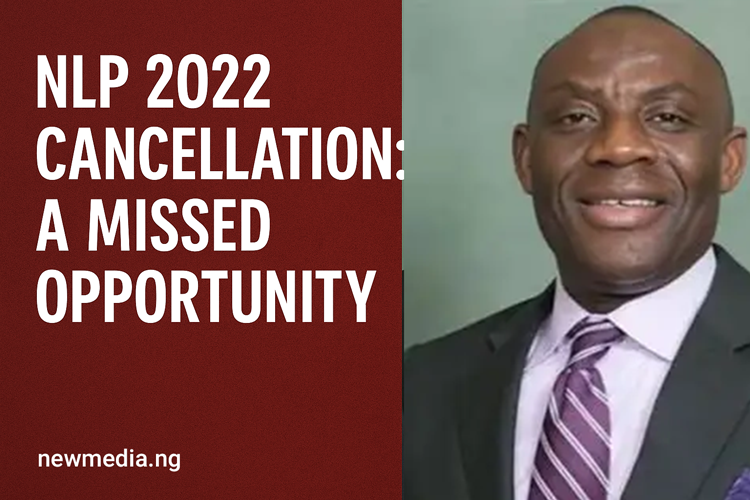
When the Federal Government introduced the National Language Policy in 2022, I was among the many educational technologists who saw in it a genuine opportunity to reshape the foundation of learning in Nigeria. For once, it seemed the country was aligning with global research that consistently shows children learn best in the language they understand. But with the abrupt cancellation of the policy in 2025, barely three years after it began, I cannot help but feel that we lost far more than we gained. In fact, we never even gave the idea a fighting chance.
From a professional standpoint, judging a language-of-instruction reform within such a short period is deeply flawed. Policies of this nature require time, stability, and consistency before they can fairly be evaluated. A full basic education cycle, spanning at least six years from Primary One to Six, is the internationally accepted minimum for assessing whether a shift in instructional language has had a real impact. Yet we attempted to conclude cohorts who had not even spent half of that period under the new system. Some of the very students whose exam results were used to condemn the policy had already begun their early schooling in English, and many experienced an inconsistent blend of English and mother tongue because implementation differed from state to state. Essentially, we blamed the policy for outcomes it had no genuine opportunity to influence.
I also find the conclusion that the policy caused underperformance in national exams to be too simplistic for the complexity of Nigeria’s educational landscape. Learning outcomes do not emerge from one factor alone. They are the product of teacher competence, the availability of textbooks, the socioeconomic pressures on learners, the disruptions within the school system, the alignment of national examinations with classroom realities, and the adequacy of learning resources. Long before 2022, our examination results already reflected deep structural issues. To suddenly point to the mother-tongue policy as the cause of poor performance without considering this historical pattern is to commit a fundamental error: mistaking correlation for causation.
As someone who works in educational technology, I am acutely aware of what the policy could have unlocked if we had embraced it with creativity rather than apprehension. We had the potential to develop local-language e-learning platforms, interactive digital storybooks, and translation tools adapted to Nigerian contexts. We could have experimented with AI-driven instructional support in indigenous languages or deployed community-centred tech hubs that made learning more inclusive. Instead of imagining these possibilities, we defaulted to the familiar, reverting to English as the sole medium of instruction without pausing to consider whether the problem lay not in the policy but in our lack of preparation for it.
The most painful aspect for me is not that the policy was ended, but that it was ended prematurely. It was never allowed to stand long enough to be properly assessed, refined, or improved. Rather than strengthening teacher training, expanding local-language resources, or addressing implementation challenges, we chose the quicker path of cancellation. In doing so, we may have closed the door on a transformative experiment that could have reshaped early learning and improved comprehension for millions of Nigerian children.
I believe strongly that Nigeria needs to move toward evidence-based policymaking, one that is patient, thoughtful, and willing to invest in long-term change. What the National Language Policy required was time, commitment, and technological innovation, not haste. Its cancellation reminds me of the many times we have abandoned promising reforms before they matured, only to return later to the same persistent learning challenges.
In the end, the policy’s demise feels like a missed moment in our educational history, a moment when Nigeria could have reimagined the way children begin their learning journey. Instead, we turned away too quickly, and the cost of that haste may echo in our classrooms for years to come.


About the Author


